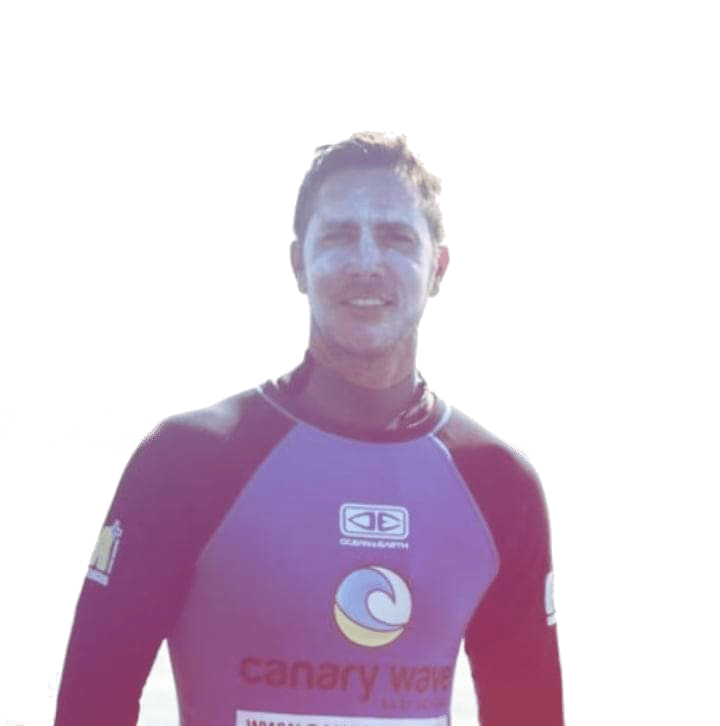
For many visitors arriving in Gran Canaria, Playa del Inglés is known for its long sandy beach, warm weather and relaxed atmosphere. But for surfers, this coastline offers something even more valuable: consistent conditions, accessible waves and an ideal environment to improve in the water.

Surfing here is not only about catching waves. It is also about understanding the ocean, adapting to changing conditions and enjoying a spot where beginners and experienced surfers can often share the same coastline.

A beach with changing moods throughout the year

One of the reasons Playa del Inglés remains popular among surfers is its variety. Conditions rarely feel exactly the same from one session to another.

🌊 Some mornings bring soft rolling waves perfect for learning fundamentals.
🌊 Other days offer faster sections and more energy for intermediate surfers looking to improve timing and positioning.
🌊 Wind direction and tides constantly reshape the peaks along the beach.

This variety makes the area especially interesting for people who want more than a one-day surf experience.

Unlike heavily crowded reef breaks where mistakes can become dangerous quickly, Playa del Inglés often allows surfers to develop confidence progressively.

Why beginners usually feel comfortable here

Learning to surf can feel overwhelming at first. Timing, balance, paddling and wave reading all happen simultaneously, and many people underestimate how physically demanding surfing can be during the first sessions.

That is why beach breaks like Playa del Inglés are often recommended for beginners.

The sandy bottom creates a more forgiving environment, while the open beach offers multiple takeoff zones depending on the conditions of the day.

🏄‍♂️ New surfers can focus on:

• Understanding wave rhythm.
• Practicing pop-ups repeatedly.
• Improving paddling technique.
• Learning positioning safely.
• Building confidence in white water before moving to green waves.

Good instruction also makes a huge difference. Small technical corrections during the first lessons can prevent bad habits that become difficult to fix later.

Surf conditions are not only about wave size

One common misconception is that “good surf” simply means bigger waves. In reality, quality conditions depend on many factors working together.

Experienced instructors usually pay attention to:

🌤 Wind strength and direction.
🌊 Tide movement.
🌊 Wave period.
🌊 Crowd levels.
🌊 Sandbank formation.
🌤 Weather stability.

Some of the best learning days actually happen when the ocean looks smaller and cleaner rather than powerful and chaotic.

At Playa del Inglés, reading these subtle changes becomes part of the experience. Surfers quickly realise that no two sessions feel exactly alike.

The atmosphere matters more than many people expect

A surf destination is not only defined by its waves. The overall environment around the beach often shapes the experience just as much as the surfing itself.

One of the strongest points of southern Gran Canaria is the relaxed atmosphere surrounding daily surf sessions.

Early morning light over the dunes, warm water temperatures for much of the year and long sunsets create an environment where people naturally spend more time outdoors.

☀️ Many surfers combine their sessions with:

• Beach walks.
• Sunset stretching.
• Surfskate practice.
• Ocean photography.
• Watching more experienced riders from the shoreline.

That connection between surfing and lifestyle is one reason why so many visitors return repeatedly.

Improving faster usually depends on consistency

A common mistake among beginners is trying to surf only during “perfect” conditions.

In practice, progression often comes from regular exposure to different types of waves and ocean conditions.

Even slower sessions teach valuable skills:

• Positioning in currents.
• Reading incoming sets.
• Timing paddling effort.
• Managing fatigue.
• Understanding priority in the lineup.

Playa del Inglés works well for this kind of progression because conditions remain surfable during many parts of the year.

Respect in the water is part of surfing culture

People often focus heavily on technique while forgetting another essential part of surfing: etiquette.

Understanding priority, respecting other surfers and maintaining awareness in the lineup are fundamental habits from the beginning.

🤙 Good surf schools usually dedicate time to explaining:

• Safety rules.
• Entering and exiting the water correctly.
• Respecting wave priority.
• Avoiding dangerous positioning.
• Ocean awareness.

These details may seem secondary at first, but they strongly influence both safety and enjoyment in the water.

Surfing as a long-term experience

For many people, the first surf lesson becomes much more than a holiday activity.

Surfing tends to create a different relationship with the ocean. Over time, surfers begin noticing tides, wind patterns, wave direction and weather changes almost automatically.

That connection is often what keeps people coming back.

At Canary Wave Nixon Surf School Maspalomas, the focus is not only on standing up on the board, but on helping surfers understand the environment around them and enjoy the experience at their own pace.

📍 Shopping Center Oasis, Paseo Del Faro 1, 35100 Maspalomas
📞 684226648
📧 info@canarywave.com